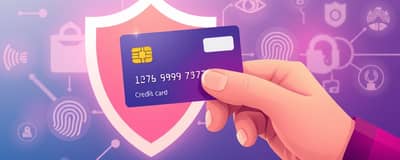
In today's digital world, financial security is more important than ever, and the CVV code stands as a critical line of defense against unauthorized transactions.
This small, three- or four-digit number might seem insignificant, but it plays a huge role in protecting your money from fraudsters in online and phone purchases.
Every time you shop online, the CVV acts as a verification tool to confirm physical possession, making it essential for safe commerce.
What is the CVV?
The Card Verification Value, or CVV, is a security code embedded in credit and debit cards to enhance transaction safety.
It comes in different types, each designed for specific use cases, from in-person payments to online shopping.
- CVV1: Located on the magnetic stripe, used automatically during physical point-of-sale transactions.
- CVV2: Found on the back of the card, this three-digit code is required for online and phone purchases.
- CVV3 or Dynamic CVV: An emerging technology where the code changes regularly, offering superior protection against fraud.
Why CVV Matters: Key Security Benefits
CVV codes provide multiple layers of security that help prevent fraud and protect sensitive financial data.
By requiring this code, merchants can verify that customers physically hold their cards, reducing identity theft risks.
- Protection in data breaches: Merchants are prohibited from storing CVV codes, so even if hackers steal card numbers, the CVV remains secure.
- Resistance to physical copying: Unlike card numbers, the CVV is not embossed, making it harder to skim or duplicate.
- Enhanced authentication process: Adding the CVV step deters fraudsters and allows issuers to flag suspicious activities quickly.
- Advantage over PINs for online use: Using CVV instead of PIN reduces risk, as PINs could lead to broader misuse if compromised.
These benefits highlight why safeguarding your CVV is crucial for financial safety in everyday transactions.
How Dynamic CVV Enhances Security
Dynamic CVV, or CVV3, represents a major advancement by using codes that change with each transaction, making fraud much harder.
This technology shrinks the window for criminal activity, as stolen codes become invalid almost immediately.
- Reduces black market value: Stolen data with dynamic CVV is less valuable to criminals due to its ephemeral nature.
- Prevents automated attacks: Rotating codes make it difficult for scripts to guess or brute-force the CVV effectively.
- Increases transaction safety: Each unique code ensures that even if intercepted, it cannot be reused for fraud.
Embracing such innovations can significantly boost your card's security in an evolving threat landscape.
Vulnerabilities and Limitations of CVV
Despite its strengths, CVV is not foolproof and has vulnerabilities that users must be aware of to stay protected.
Common risks include phishing schemes and malware, which can compromise CVV information if not handled carefully.
- Phishing scams: Criminals trick users into revealing CVV through deceptive emails or calls.
- Malware infections: Malicious software on devices can capture CVV during online transactions.
- Physical card theft: If a card is stolen, the CVV is compromised along with other details.
- Merchant system breaches: Although CVV storage is banned, systems can be hacked during data transmission.
Understanding these limitations helps you take proactive steps to mitigate risks and enhance overall security.
Best Practices for Protection
To maximize security, both cardholders and merchants should adopt practical measures that safeguard CVV codes effectively.
For Cardholders
Protecting your CVV starts with simple habits that can prevent unauthorized access and fraud.
- Never share your CVV unnecessarily: Avoid giving it out, even to bank representatives over the phone.
- Store CVV securely: Use a password manager and consider removing it from the card after memorization.
- Avoid phishing attempts: Be cautious of any communication asking for CVV and verify authenticity first.
- Keep cards physically safe: Prevent theft by storing cards in secure locations.
For Merchants
Businesses must implement robust protocols to ensure CVV data is handled safely and compliantly.
- Always request CVV for transactions: Enhance verification in card-not-present scenarios to reduce fraud.
- Comply with PCI DSS standards: Never store CVV codes after authorization to avoid penalties.
- Use encryption methods like TLS: Protect CVV data during transmission to prevent interception.
- Implement additional security tools: Pair CVV with AVS and 3DS for a multi-layered approach.
By following these practices, you can create a safer financial environment for everyone involved.
Encryption and Technical Standards
To protect CVV data, industry standards like PCI DSS mandate strict encryption protocols that secure information end-to-end.
Technologies such as Transport Layer Security (TLS) and Advanced Encryption Standard (AES) are used to encrypt CVV both in transit and at rest.
This ensures that even if data is intercepted, it remains unreadable to unauthorized parties, upholding high security benchmarks.
Conclusion
In summary, the CVV code is a powerful tool in the fight against financial fraud, but its effectiveness relies on user vigilance and best practices.
By understanding its functions and adopting protective measures, you can significantly enhance your security and peace of mind.
Remember, safeguarding your CVV is not just about a number; it's about protecting your financial integrity in an interconnected world, where every digit counts.